
Last updated September 10, 2026
Full 25-point door and opener safety check with every visit - springs, cables, rollers, tracks, and your LiftMaster or Chamberlain opener included
You get a price before we start. It does not change when the truck arrives.
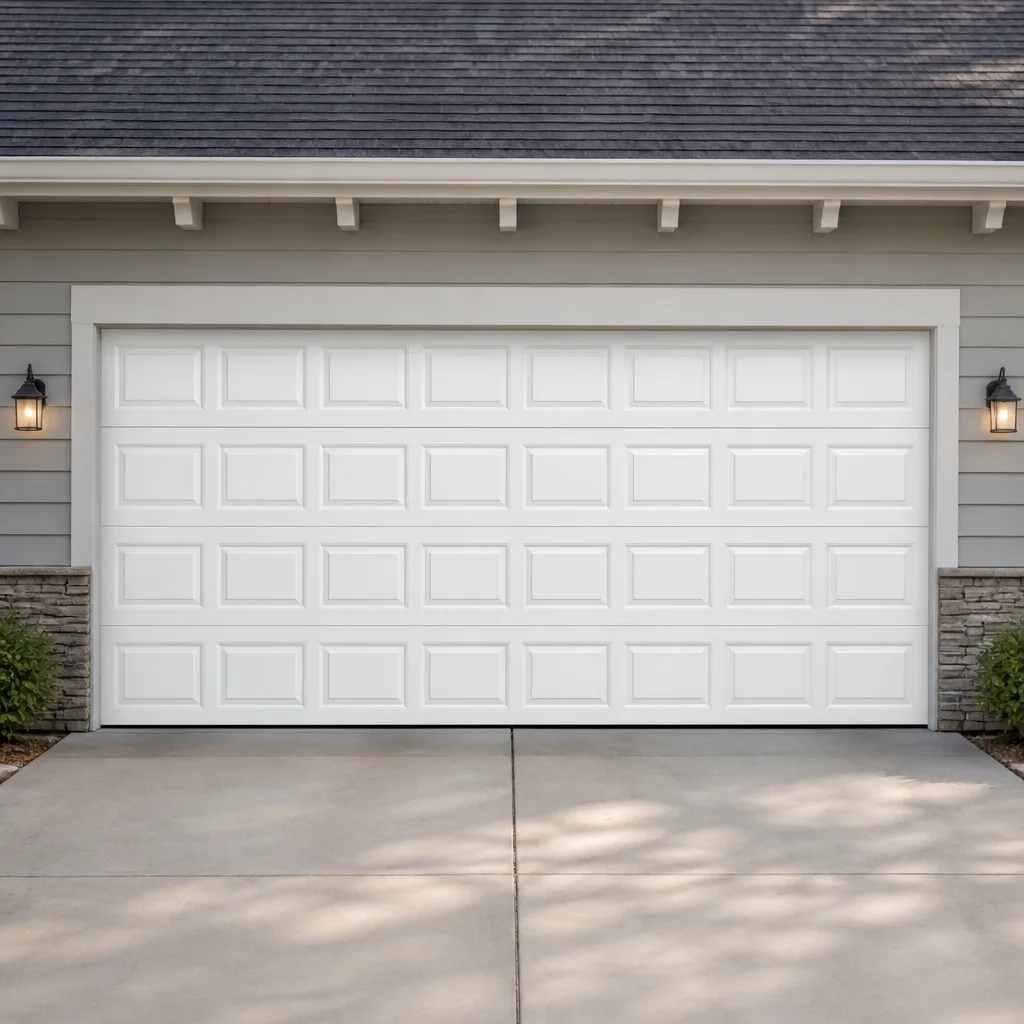
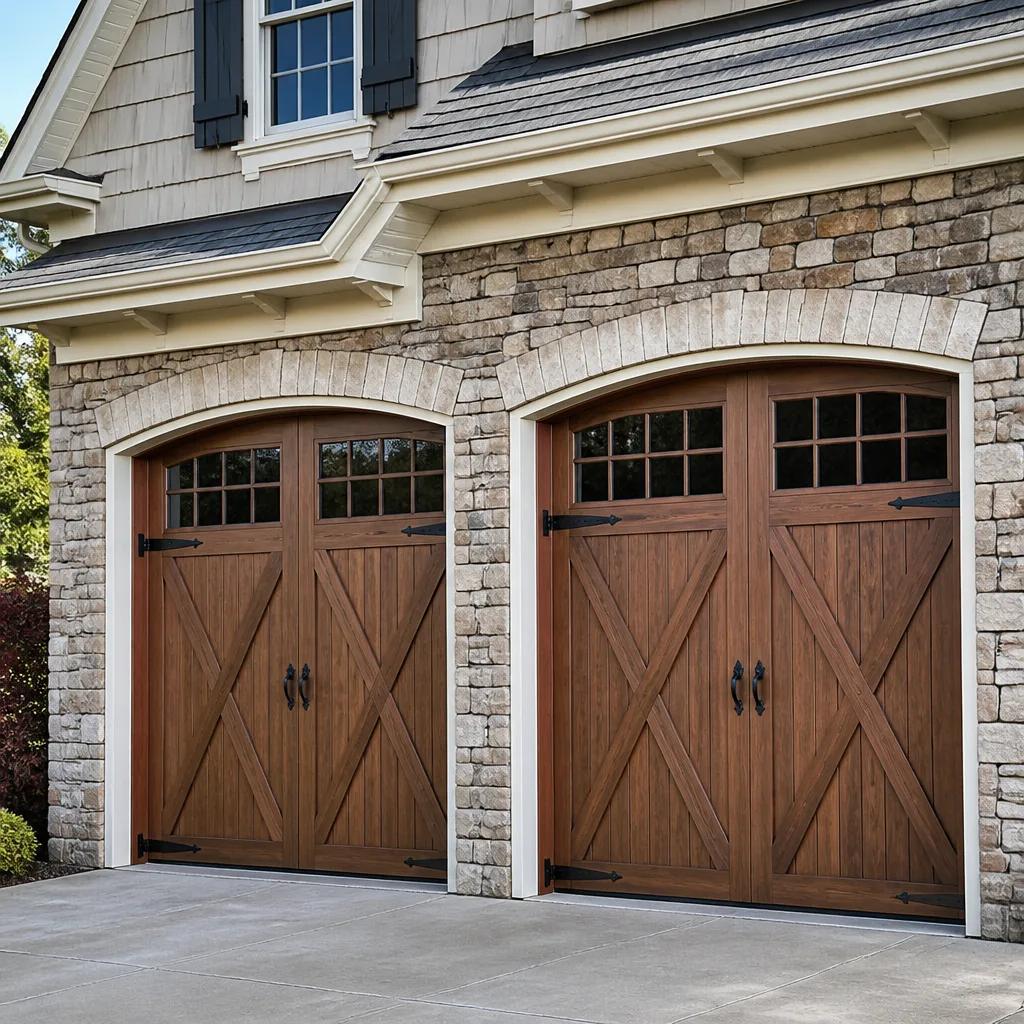
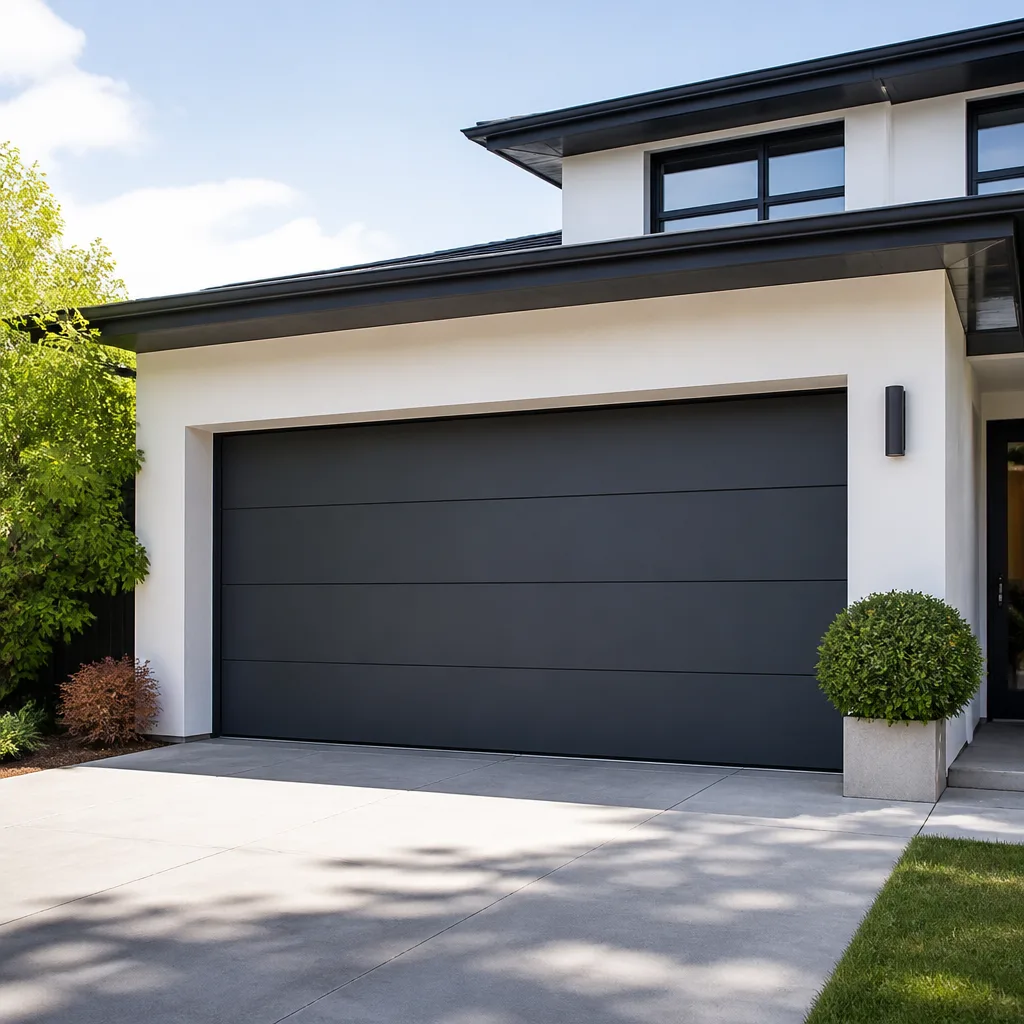
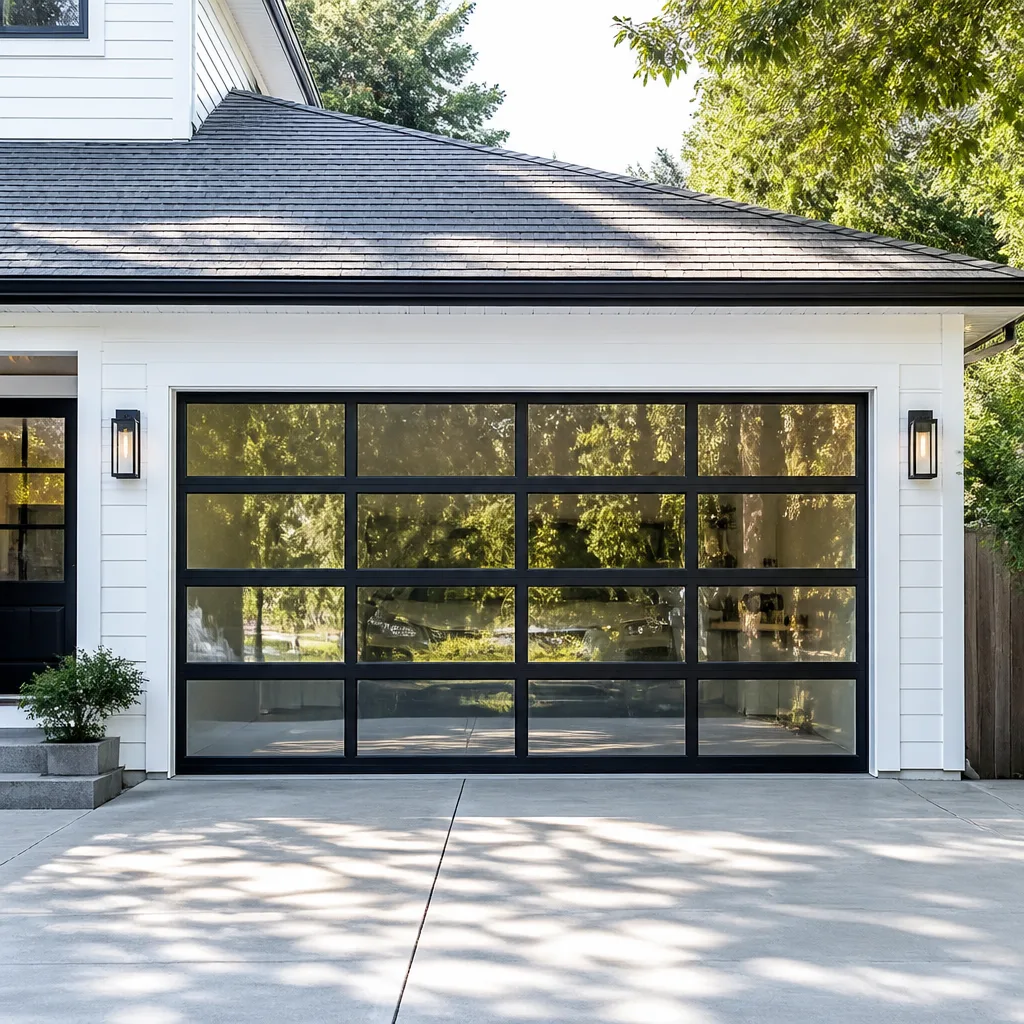
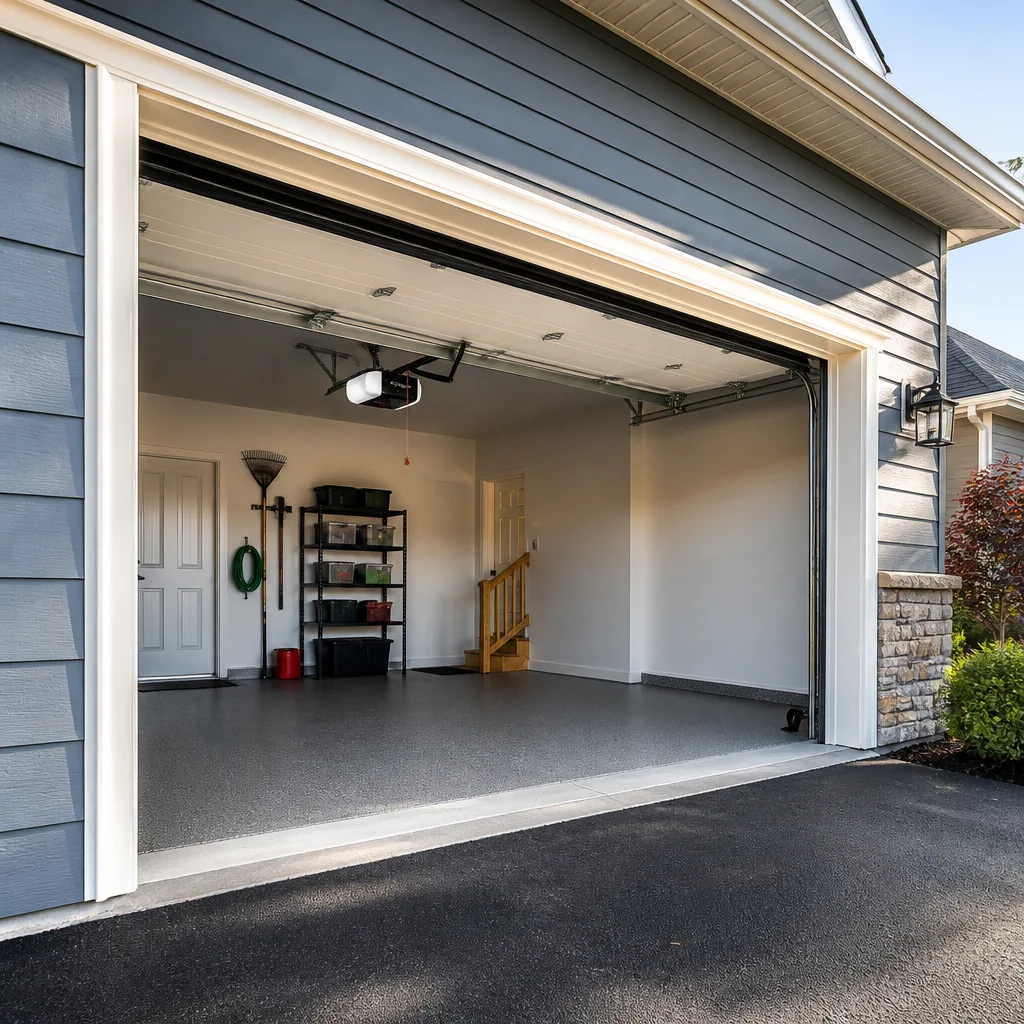
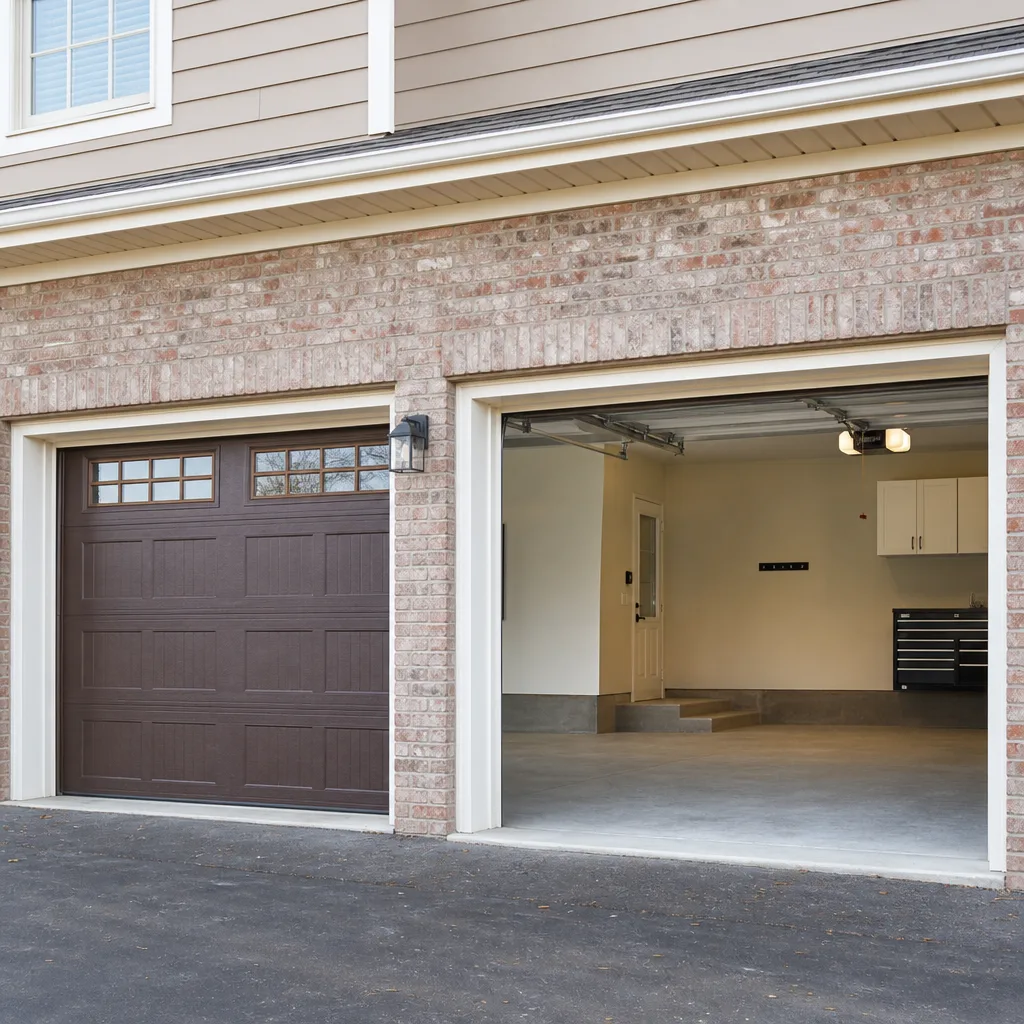
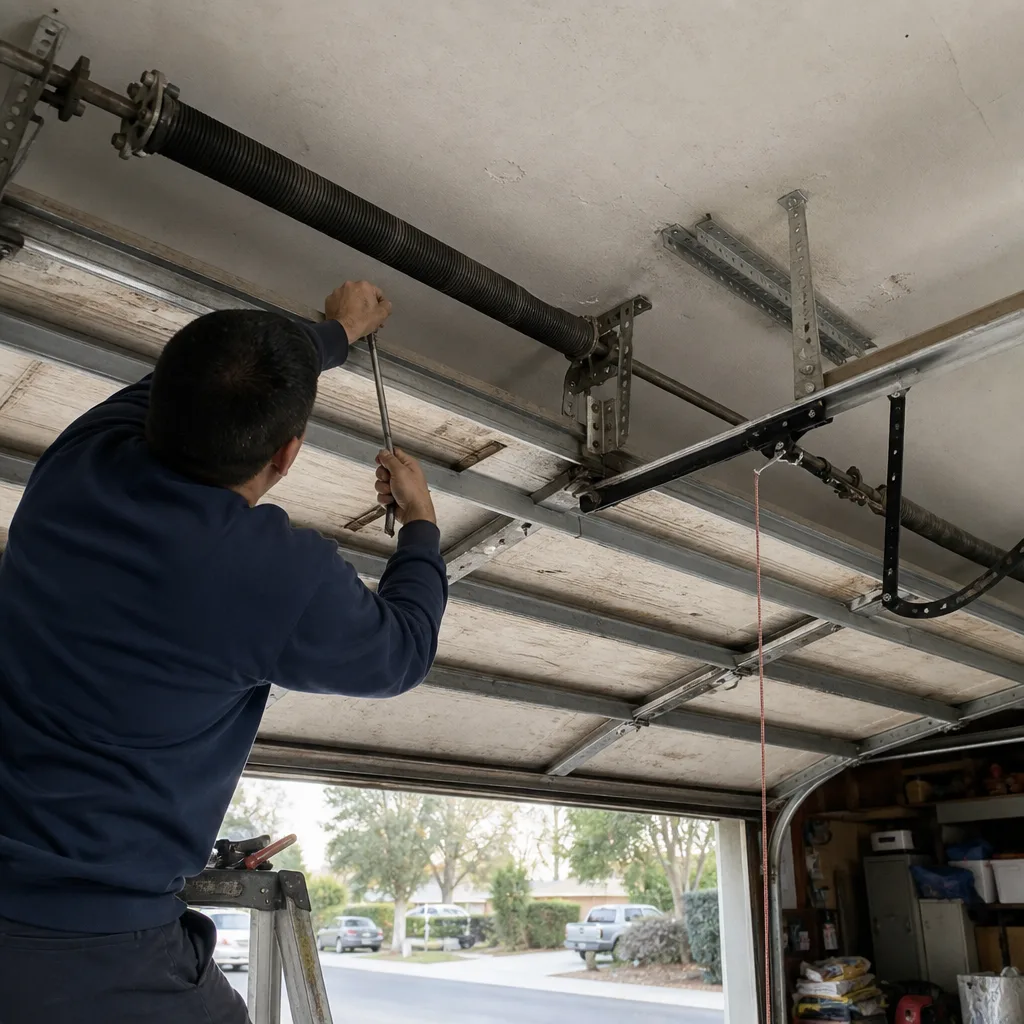 Before
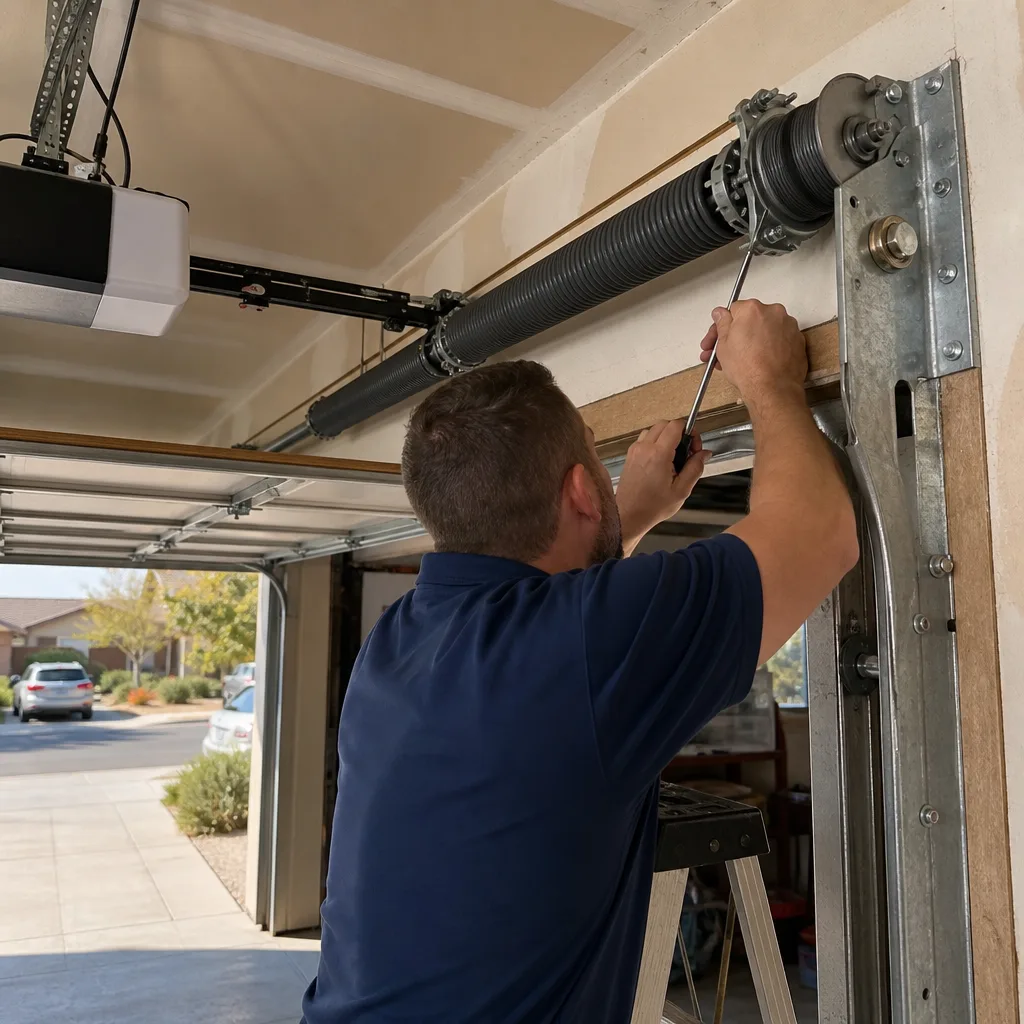 After
After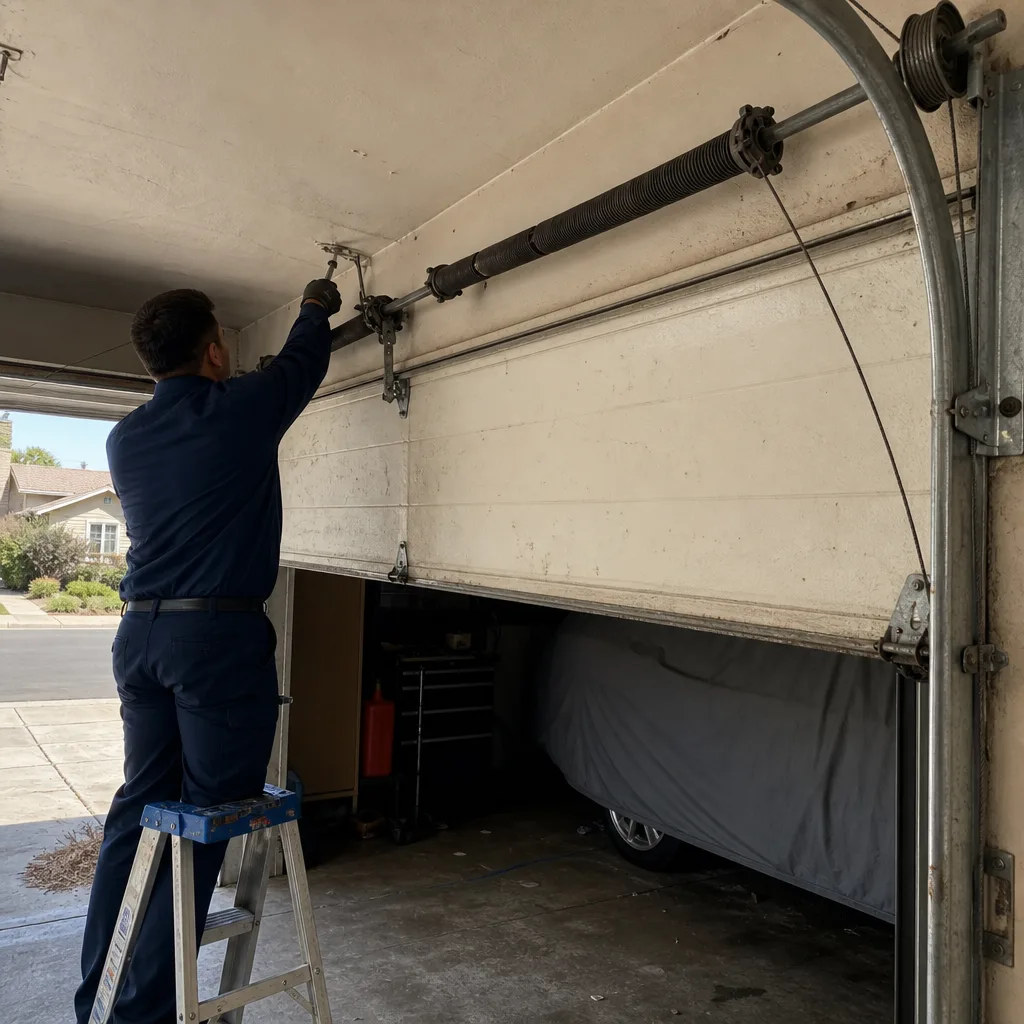 Before
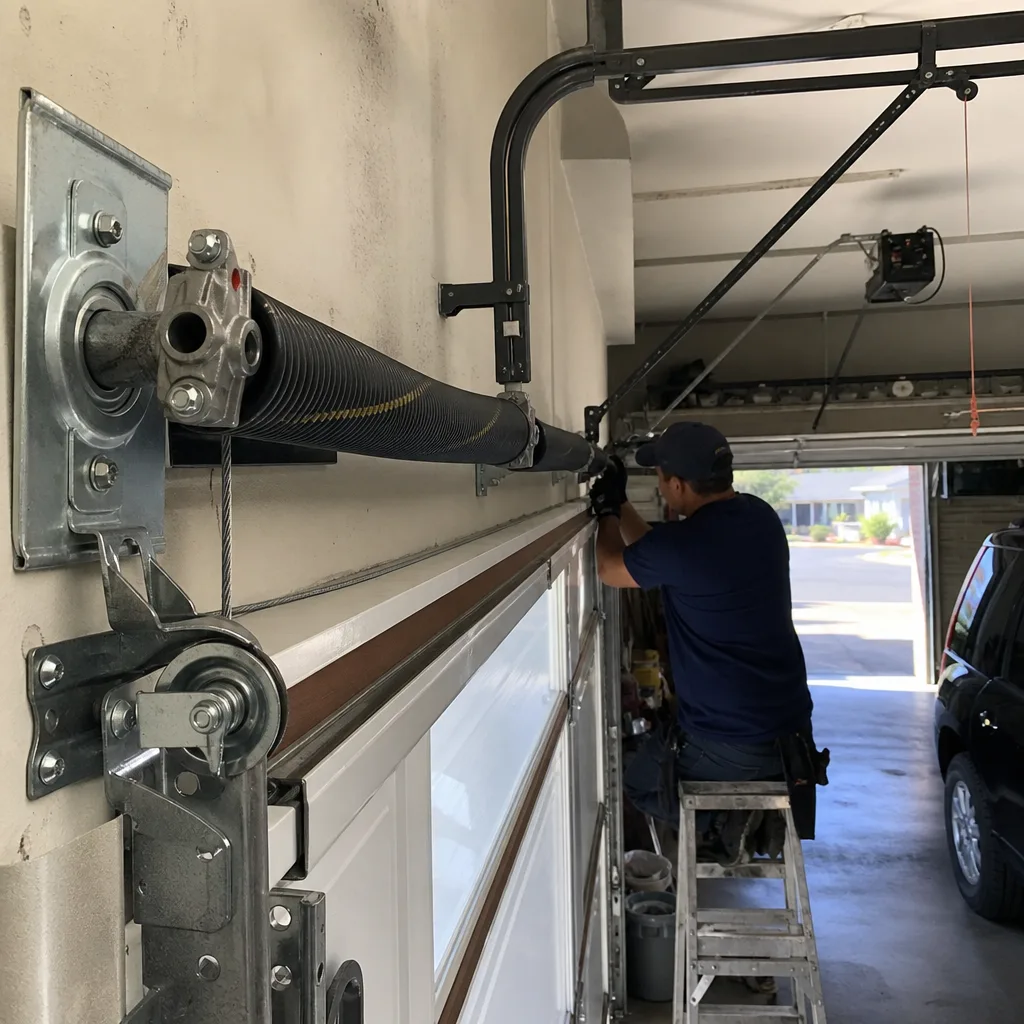 After
After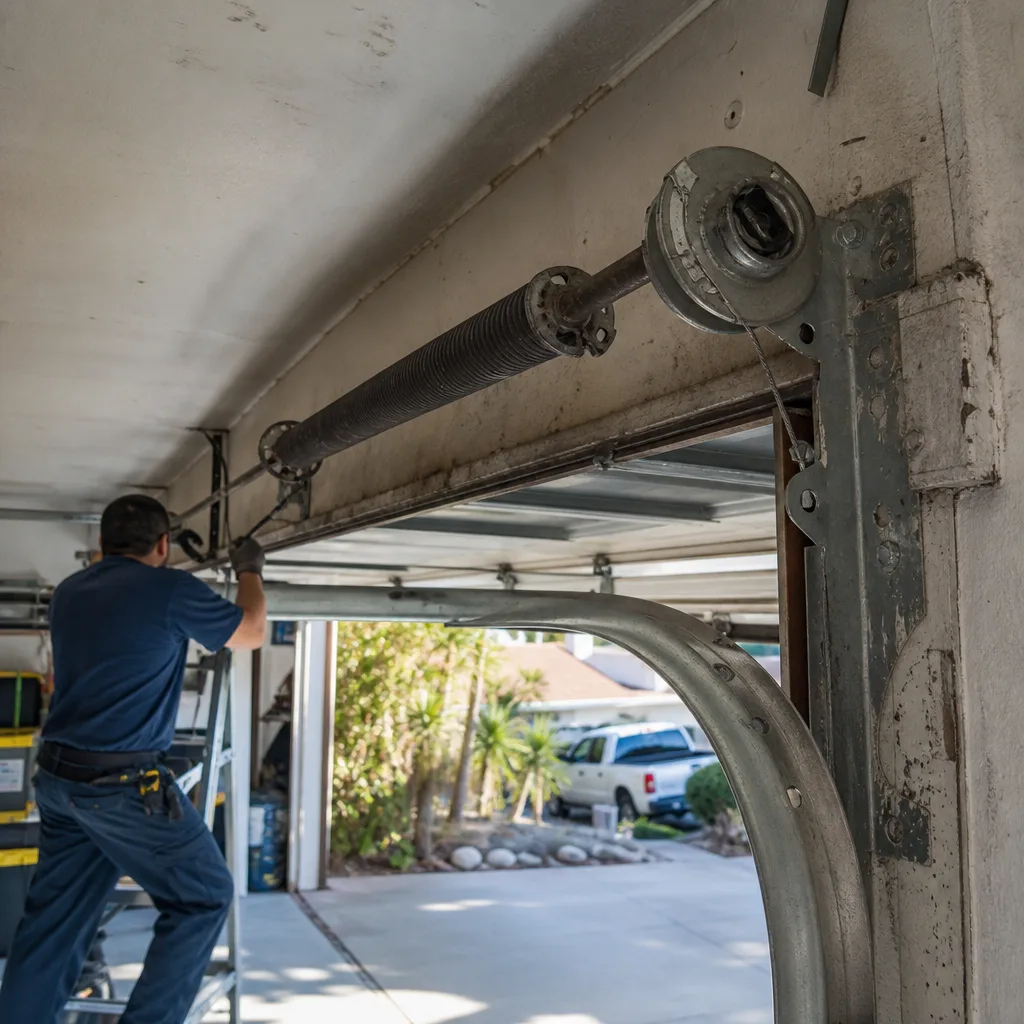 Before
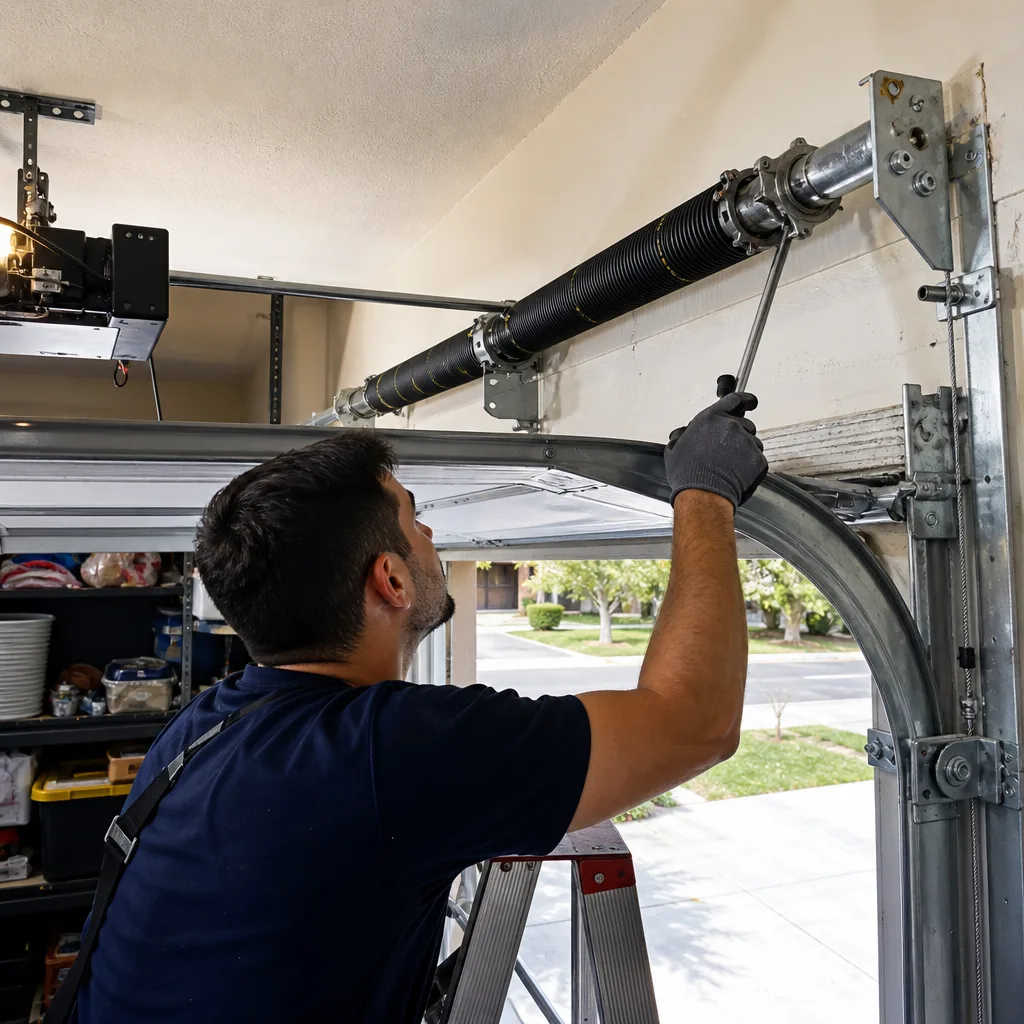 After
AfterSeasonal Garage Door Care for Santee: Year-Round Homeowner’s Guide
Santee recorded 19 days above 100°F in a recent summer. That kind of heat doesn’t just make your garage hot - it changes the tension on your springs, softens plastic rollers, and forces your opener motor to work harder on every cycle. Most homeowners in Santee assume garage doors are “set it and forget it” because we don’t get Midwest winters or desert dust storms. But Santee has three real mechanical stress windows: summer heat, fall Santa Ana wind events, and winter wet spells. Each one asks something different from your garage door system. In this guide, we’ll walk through what actually happens to your door during each window, what you can safely check yourself, and when the fix belongs to a trained technician.
Quick Answer
Seasonal garage door care in Santee means adjusting your maintenance routine to three local stress periods: summer heat above 95°F that weakens spring tension and degrades plastic rollers; fall Santa Ana winds that knock tracks and sensors out of alignment; and winter rain that finds its way through failed bottom seals and unpainted steel edges. A simple seasonal trigger calendar - July heat check, October post-wind inspection, and January seal review - prevents most emergency calls and extends the life of your entire system.
Table of Contents
- Why Santee’s Inland Climate Is Harder on Garage Doors Than Coastal San Diego
- Summer Care: Heat, Spring Tension, and Opener Stress
- Fall Care: Santa Ana Winds and the 10-Minute Post-Wind Check
- Winter Care: Rain Intrusion, Rust, and Bottom Seal Failures
- Spring Care: The Misleading Season - What to Check Instead
- Year-Round Basics: The Monthly 5-Minute Inspection
- Building Your Santee Seasonal Trigger Calendar
- When Parts Need Replacement vs. When They Need Adjustment
Why Santee’s Inland Climate Is Harder on Garage Doors Than Coastal San Diego
Garage doors in La Jolla or Del Mar live a softer life. The marine layer keeps temperatures moderate and humidity steady. Santee sits 18 miles inland, tucked against the foothills of the Cleveland National Forest, and that distance from the Pacific creates a harsher daily rhythm.
Here is what we see in our work across Santee neighborhoods from Sky Ranch to Riverview:
- Temperature swings of 30-40°F in a single day are common. A spring that contracts in a 52°F November morning and expands in an 87°F afternoon is cycling through metal fatigue faster than a spring in Oceanside that might see a 15°F swing.
- Lower humidity in summer dries out wood door sections and rubber seals, causing cracking that coastal moisture would prevent.
- Higher summer peaks push lubricants past their effective range. Standard white lithium grease thins and runs at sustained temperatures above 120°F, which a dark-colored door in direct Santee sun can easily reach.
- Santa Ana wind events arrive with little warning, often in October and November, with sustained gusts above 40 mph that test every mechanical connection.
In our 42 years serving East County, we’ve replaced more heat-fatigued springs in Santee than in any coastal city we cover. The pattern is clear: inland temperature amplitude is the hidden wear factor that generic maintenance advice misses.
The Santee building code does not require wind-rated garage doors for residential construction, unlike some high-wind zones in the Midwest. That means most doors installed before 2010 have minimal reinforcement against lateral pressure. When the Santa Anas arrive, those doors take the full force.
Summer Care: Heat, Spring Tension, and Opener Stress
How Heat Above 95°F Changes Your Springs
Torsion springs are calibrated to a specific number of cycles at a standard temperature range, typically 60-80°F. When sustained heat pushes a spring past 110°F, the metal’s modulus of elasticity drops slightly. The spring unwinds a fraction farther on each open cycle, and rewinds with slightly less force. Over a Santee summer, that fractional change compounds.
Signs your springs are heat-affected:
- The door feels heavier when lifted manually. Disconnect the opener by pulling the red release handle. Lift the door halfway and let go. If it drifts down instead of holding position, spring tension has dropped.
- The opener strains or stalls near the top of the travel. A LiftMaster or Chamberlain opener in Santee working against weak springs will hum longer, run hotter, and trigger its thermal overload more often.
- The door closes faster than it opens. This asymmetry means the spring is not storing enough energy to assist the lift, but gravity still pulls the door down unassisted.
Spring adjustment is not a homeowner task. The torque stored in a wound torsion spring can cause serious injury or death if released improperly. If you notice these signs, call a technician. We carry a full spring inventory on every truck and can match your door’s weight and height on the spot.
Plastic Roller Degradation
Standard nylon or plastic rollers have a glass transition temperature around 140°F. A dark garage door in direct Santee sun, with ambient air at 105°F, can heat the roller hubs past that threshold. The rollers soften, deform slightly, and then cool into a new shape that no longer tracks cleanly. By September, we see a wave of Santee calls for “noisy door” that traces back to summer-reshaped rollers.
What you can check: With the door closed, look at the rollers between door sections. Cracking, flattening on one side, or a waxy melted appearance means replacement. Steel ball-bearing rollers handle Santee heat better and run quieter. We stock both types and can swap them in a single visit.
Opener Motor Thermal Limits
Every opener motor has a thermal cutoff that shuts it down when internal temperature exceeds safe limits. In Santee summers, we’ve seen Chamberlain and Genie units hit cutoff during normal use because the garage itself reached 115°F and the motor had no cool air to shed heat into. The motor is not failing; it is protecting itself. But repeated thermal cycling shortens capacitor life.
If your opener stops mid-cycle on hot afternoons and restarts 15 minutes later, thermal overload is the likely cause. Solutions include improving garage ventilation, adding a small exhaust fan, or upgrading to an opener with a higher duty cycle rating. We assess this during our $89 Seasonal Tune-Up and quote any upgrade before work begins.
Fall Care: Santa Ana Winds and the 10-Minute Post-Wind Check
The Santa Ana winds are Santee’s most sudden garage door threat. Sustained easterly gusts above 40 mph, sometimes reaching 60 mph in exposed foothill neighborhoods like Sky Ranch or Carlton Hills, create lateral pressure that garage door systems are not designed to resist. The door is a large sail. The track is a thin steel guide. When the two meet with enough force, something bends.
What the Wind Actually Damages
We’ve responded to wind damage calls in Santee for over four decades. The failure pattern is consistent:
- Track misalignment: The horizontal track bows slightly inward or outward. The rollers still run, but they scrape and bind. Left uncorrected, the rollers wear flat spots and the track fatigues further.
- Photo-eye sensor displacement: The safety sensors at the bottom of each track are held by small brackets designed for impact from a broom handle, not wind pressure. A gust that shakes the door can knock one sensor 1/4 inch out of alignment. The opener then refuses to close, flashing its diagnostic light.
- Weather seal tearing: The rubber or vinyl seal along the bottom and sides of the door acts as a fluttering ribbon in high wind. Small tears propagate quickly. A seal that was “getting old” in September is often shredded by November.
- Panel edge denting: Wind-borne debris, or the door itself flexing against its stops, dents the bottom section edges where the steel is thinnest.
The 10-Minute Post-Wind Check
After any Santa Ana event with gusts above 35 mph, run through this checklist before the next full use of your door:
- Visual track inspection: Stand inside the garage with the door closed. Look down each vertical track from top to bottom. Any visible bow, twist, or gap between track and wall bracket needs professional correction.
- Sensor alignment test: Close the door with the remote. Wave a foot through the beam path. The door should reverse. If it does not, or if the opener light flashes without moving, check that both sensors face each other squarely. The LED on each should glow steady, not flicker.
- Manual lift test: Disconnect the opener and lift the door by hand. It should move smoothly through the full travel. Any binding, grinding, or “lumpy” resistance indicates track or roller damage.
- Seal inspection: With the door closed, look for daylight under the bottom edge or torn sections along the sides. Rain follows these gaps in January.
If any check fails, call before the next wind event compounds the damage. Garage door repair in Santee is often simpler and less expensive when caught early. We carry track repair hardware and replacement sensors on every truck.
Winter Care: Rain Intrusion, Rust, and Bottom Seal Failures
Santee’s winter rainfall averages 12-14 inches, concentrated in December through March. That is not Seattle, but it is enough to matter when your garage door seal has a gap the width of a pencil. Water follows the path of least resistance, and a failed bottom seal channels rainwater directly onto your concrete slab, toward stored items, and into the door’s own steel edges.
How Rain Finds Its Way In
Most Santee homes built before 2000 have a single-channel rubber bottom seal, 3/16 inch thick, held in an aluminum retainer. After five to seven years of Santee’s heat-and-cool cycling, that rubber hardens and loses its conforming ability. The seal no longer presses into minor irregularities in the concrete. Water pools outside, pressure builds, and the seal acts as a funnel rather than a dam.
In newer neighborhoods like Riverview or the Santee Town Center area, we’ve seen a different pattern: doors with dual-fin seals that trap debris. The fins are effective when clean, but Santee’s occasional Santa Ana dust storms pack grit into the channels. The fins then hold moisture against the door bottom, accelerating rust from the inside out.
Rust Prevention on Steel Doors
Unpainted steel panel edges are the first failure point. The factory paint covers the face of each section, but the cut edges - top, bottom, and sides - are bare steel with only a thin oil coating from manufacturing. In Santee’s winter humidity, especially in garages with poor ventilation, those edges bloom with surface rust within three to five years.
What you can do: Once yearly, in January before the heaviest rains, inspect the bottom edge of each door section. Light surface rust can be sanded with 220-grit paper, wiped with mineral spirits, and touched up with rust-inhibiting primer. If rust has pitted the steel or the panel is delaminating, replacement is the only lasting fix. We stock replacement sections for Clopay, Amarr, and Wayne Dalton doors in Santee and can match most colors from the past 20 years.
The Winter Lubrication Mistake
Homeowners often lubricate more heavily in winter, thinking the cold “dries out” the mechanism. In Santee, winter temperatures rarely drop below 40°F. The real issue is that heavy lubricant applied in January attracts the fine grit that winter storms deposit. By March, the grease is abrasive slurry.
We use a light synthetic lubricant on Santee winter service calls, applied sparingly to rollers, hinges, and bearings only. The chain or screw drive gets its own specified lubricant, never general-purpose grease. Wrong lubricant causes more problems than no lubricant.
Spring Care: The Misleading Season - What to Check Instead
Generic maintenance guides tell you to “spring clean” your garage door in March. In Santee, March is often wet and windy, not ideal for outdoor maintenance. More importantly, the mechanical stresses of spring are mild. The real work windows are summer and fall.
We recommend redirecting “spring” attention to two tasks that actually matter in Santee’s climate:
Paint and Sealant Review (March-April)
After winter rains have finished, inspect the door’s exterior finish. Santee’s strong UV, even in spring, degrades paint and factory coatings faster than coastal areas. Look for chalking (a powdery residue when you rub the surface), peeling at panel edges, or fading that indicates the UV barrier has failed.
Steel doors need repainting when the factory finish shows wear. We do not recommend DIY painting with standard exterior latex; it lacks the flexibility to survive door flexing. If your door needs refinishing, we can refer you to specialists or discuss replacement options if the underlying steel is compromised.
Opener Force and Limit Settings (April)
After a full winter of use, your opener’s force settings may need recalibration. The door’s weight changes slightly with temperature, and the opener’s safety reverse force must be tested per manufacturer guidelines. This is a 10-minute procedure with a force gauge, not a screwdriver adjustment. Incorrect force settings are a safety hazard, particularly for households with children or pets. We include force testing in every tune-up.
Year-Round Basics: The Monthly 5-Minute Inspection
Between seasonal deep checks, a brief monthly inspection catches problems before they become emergency calls. We teach this routine to every Santee homeowner who asks:
- Listen to the cycle. Run the door up and down once. Note any new squeaks, grinding, or rhythmic thumping. A change in sound is often the first sign of mechanical change.
- Look at the cables. The lift cables on each side of the door should have no fraying, no broken strands, and no rust blooming. A single broken wire strand can indicate internal fatigue that will fail within months.
- Test the auto-reverse. Place a 2×4 flat on the floor centered under the door. Close the door. It should reverse on contact. If it does not, the force setting or safety system needs immediate service.
- Check the weather seal by feel. Close the door on a dry day. Kneel and run your hand along the bottom edge. Any draft indicates a gap. In Santee, that gap admits dust in fall, heat in summer, and water in winter.
- Inspect the hardware. Look at the hinges between sections and the brackets that hold the rollers. Any crack, elongation of bolt holes, or rust streaking from a fastener means the hardware is failing under load.
This five minutes, done the first Saturday of each month, prevents the majority of sudden failures we see. The homeowner who knows their door’s normal sound catches problems early. The homeowner who does not inspect often calls us at 10 PM with a door off its tracks.
Building Your Santee Seasonal Trigger Calendar
Generic advice says “service in spring and fall.” Santee’s climate demands a different rhythm. Use actual local weather patterns as your triggers, not the calendar month.
| Trigger Event | When It Happens in Santee | Action Required |
|---|---|---|
| First sustained heat above 95°F | Typically late June | Check spring balance, inspect plastic rollers for heat deformation, verify opener is not thermal-cycling |
| First Santa Ana wind event above 35 mph gusts | Typically October, sometimes September | Run the 10-minute post-wind check; inspect tracks, sensors, seals for wind damage |
| First winter storm with 0.5+ inches rain | Typically December or January | Inspect bottom seal for leaks, check steel edges for rust, verify garage drainage |
| End of rainy season (3 dry weeks) | Typically March or April | Review door exterior finish, test opener force settings, schedule professional tune-up if due |
| Monthly | First Saturday | 5-minute inspection: listen, look at cables, test auto-reverse, feel for seal gaps, inspect hardware |
This calendar aligns maintenance with actual mechanical stress, not arbitrary dates. A Santee homeowner following this schedule will catch most problems in the “adjustment” phase, before they require part replacement.
Our $89 Seasonal Tune-Up is designed around this calendar. We arrive with the right parts, check every point listed above, and quote any needed repair before work begins. No surprises on the bill. The 90-Day Done Right Promise covers everything we touch.
When Parts Need Replacement vs. When They Need Adjustment
Not every symptom means new parts. Understanding the difference saves money and prevents unnecessary work.
Adjustments That Solve the Problem
- Spring tension correction: Springs lose tension through normal cycling and heat fatigue. Re-tensioning restores proper door balance without replacing the spring. We can assess whether your spring has adjustment life remaining or has reached its cycle limit.
- Track realignment: Minor wind or impact displacement can often be corrected by loosening track brackets, repositioning, and retorquing. This is routine work that takes 20-30 minutes when caught early.
- Sensor realignment and cleaning: Most “opener won’t close” calls trace to dusty or misaligned sensors. Cleaning the lenses and tweaking bracket position resolves the issue without parts.
- Limit switch calibration: Openers occasionally lose their travel endpoints, causing the door to stop short or reverse unexpectedly. Recalibration is a software/procedure fix, not hardware.
Replacement That Cannot Be Avoided
- Springs past cycle life: A standard torsion spring is rated for 10,000 cycles. At four cycles per day, that is roughly seven years. In Santee’s heat, actual life is often shorter. Once a spring has exceeded 80% of its rated cycles, adjustment is temporary. Replacement is the sound fix.
- Frayed or rusted cables: Cable failure is sudden and dangerous. Any visible damage means immediate replacement. We carry cables for all door sizes and never reuse old fittings.
- Cracked or delaminated door sections: Structural damage to the door itself cannot be adjusted away. We stock replacement sections and can match most Santee installations.
- Opener motors with internal failure: Thermal overload from heat stress can damage motor windings or capacitors. Once internal components fail, repair is rarely cost-effective compared to replacement with a current LiftMaster or Genie unit.
Our policy on every Santee repair call: we diagnose first, explain what we found, and quote the flat price for the correct fix before any work begins. If adjustment will genuinely solve it, we say so. If replacement is the only lasting solution, we explain why and show you the worn part.
Common Mistakes to Avoid
- Using WD-40 as a garage door lubricant. WD-40 is a solvent and water displacer, not a lubricant. It strips away existing grease and attracts dust. Within weeks, your rollers and hinges run dry. Use only lubricants specified for garage door mechanisms.
- Ignoring a “slightly” noisy door. Noise is friction, and friction is wear. The grinding you hear in July becomes the roller failure that jams your door in October. Address noise when it starts, not when it stops the door.
- DIY spring adjustment after watching online videos. Torsion springs store lethal energy. Every year, homeowners are seriously injured attempting this. The money saved is not worth the risk. Our technicians are trained under our K.E.Y.S. values code and carry the proper winding bars and gauges.
- Waiting for “spring cleaning” to inspect after a Santa Ana event. Wind damage compounds. A slightly bent track becomes a severely bent track after the next wind event, and the repair escalates from adjustment to full track replacement.
- Assuming all garage door companies stock parts for all brands. Many Santee homeowners learn the hard way that a dispatched technician without the right spring or opener on the truck means a second appointment and more downtime. We stock for all major brands so most jobs finish in one visit.
- Accepting a verbal estimate without written terms. A square deal is a documented deal. Our 90-Day Done Right Promise is written on every invoice. If a company will not put its guarantee in writing, that tells you something.
When to Call a Professional
Call a trained technician when you encounter any of the following: a door that will not stay open halfway when disconnected from the opener; visible fraying or rust on lift cables; a door that reverses for no apparent reason or fails the auto-reverse test; any grinding, binding, or “lumpy” manual operation; tracks that appear bent, twisted, or separated from wall brackets; or an opener that thermal-cycles or smells of electrical burning.
These are not maintenance tasks. They are safety and function issues that require proper tools and training. Mainspring Garage Door Co. offers free estimates in Santee. A live person answers every call, including nights, weekends, and holidays. Call (619) 762-3668 and we’ll dispatch a background-checked, uniformed technician with the parts to finish most jobs in a single visit.
Frequently Asked Questions
Once yearly is sufficient for most Santee homes, timed to the end of the rainy season in March or April. Homes with heavy daily use, or doors exposed to full afternoon sun, benefit from a second check in September before Santa Ana season. Our $89 Seasonal Tune-Up covers full inspection, lubrication, safety testing, and written condition report.
Yes. Sustained temperatures above 95°F reduce the effective tension of torsion springs and accelerate metal fatigue. In Santee’s inland climate, springs often reach end-of-life 12-18 months earlier than identical springs in coastal San Diego. We see the pattern clearly in our service records across Sky Ranch, Carlton Hills, and Riverview neighborhoods.
Run the 10-minute post-wind check: inspect tracks for bowing, verify sensor LEDs are steady, test manual lift for smooth travel, and check weather seals for tearing. Any failure in these checks means damage that will worsen with the next wind event. Call for service before using the door heavily.
No. Mainspring states the flat price before any work begins. After diagnosis, you receive a written quote. If you approve, that is the price on the invoice. No surprises, no add-ons discovered mid-job. This is part of our 90-Day Done Right Promise.
We stock springs, cables, rollers, hinges, and openers for all major brands including Raynor, LiftMaster, Chamberlain, Genie, Clopay, Amarr, Wayne Dalton, and Craftsman. Most Santee homes have doors from these manufacturers, and our trucks are loaded to complete repairs in one visit. Call (619) 762-3668 with your brand and model if you want confirmation before scheduling.
Yes. We maintain a permanent 5% discount for seniors and veterans, applied to any repair or installation. This is not a limited promotion. It is a standing offer for as long as we serve Santee. Mention it when you call (619) 762-3668.
The Bottom Line
Santee’s garage doors face three real stress windows: summer heat that weakens springs and degrades rollers, fall Santa Ana winds that misalign tracks and sensors, and winter rain that exploits failed seals and bare steel edges. A maintenance calendar tied to actual local weather triggers - not generic seasonal advice - prevents most emergencies and extends system life. The monthly five-minute inspection catches changes early. The seasonal deep checks address climate-specific wear. And knowing when a problem needs professional attention keeps you safe from the genuinely dangerous components, particularly torsion springs and lift cables.
We’ve served East County since 1984. We answer the phone with a live person, arrive with parts on the truck, quote the flat price before work begins, and stand behind every job with our 90-Day Done Right Promise in writing. That’s the Mainspring way.
Ready for your seasonal check? Call (619) 762-3668 for a free estimate or schedule your $89 Seasonal Tune-Up. Ask about our $50 off any repair over $250, free second opinion on any written estimate, and permanent 5% senior and veteran discount.
Written by Carl Dutton, Owner at Mainspring Garage Door Co., serving Santee since 2016.